The History of Catholic Anglo Chinese School
Rev. Father Germain Allard arrived in Burma from France in December 1901 to promote Catholicism in Burma. Initially he was sent to Bassein. Out of its population of 35,000 inhabitants, eight to nine thousand people in Bassein were Chinese. Later he was responsible for converting Chinese living in Rangoon. Language had been a problem for the missionaries. None of them spoke Chinese. Father Allard was therefore sent to Singapore to learn at least two Chinese dialects there.
In 1907, Father Allard returned to Burma and was sent to St. John's Parish to work with its Chinese parishioners. There were altogether 244 of them. They were in need of a separate church and a separate school. In 1909, Father Allard's health deteriorated because of his busy schedules and he was sent back to Europe for a rest. But in 1910, despite his health problems, he traveled to Rome, Canada, United States and Latin America. During his tour there, he gave lectures and tried to raise funds for his projects in Burma. Twice in Rome, he had audiences with the Pope, who gave him his blessings on his good work with Chinese Catholics in Burma. In 1912, he returned to Burma again and worked relentlessly on his projects.
In 1915, with borrowed money and help from Chinese merchants, he was able to buy a piece of land on Kili Street on which a huge house was built. The Chinese Mission Schools for Girls and Boys occupied the ground floor of the house, and the second floor of the house became a place of worship for Chinese parishioners. In 1921, the school had 160 students.
Father Allard went to Singapore again and, in his absence, Rev. Father P. Roy was to be in charge of the school. They were at the time looking for bible teachers well-versed in Fuchien and Hakka dialects. When Father Allard returned to Burma, Chinese community leaders warmly greeted him. They promised to help him on his project to build a church. In June of 1922, he formed a governing body of the school which comprised of 27 Chinese community leaders. The school now had a total of 173 boarding students.
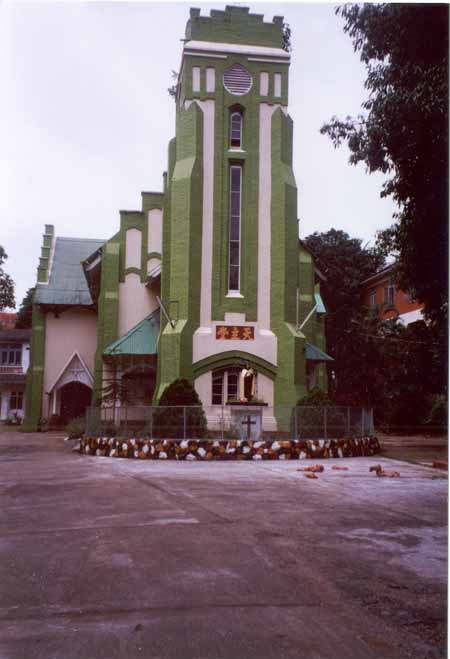
Father Allard now wanted to establish a separate school for girls. So he went on an extensive tour of towns to raise money. Catholics in Bassein gave him Kyats 3,000. In addition, he received a total of Kyats 8,000 from 43 different places. On May 17, 1925, Mother Theresa was declared a Saint by the Vatican. At the recommendation of Rev. Father Pierre Roy, the church that was being built on Mission Road was named St. Theresa's Church. The church was completed in 1927.
Father Roy helped Father Allard in his work as Head of the church and the school. Having worked really hard for 20 years, Father Allard developed a serious bronchitis problem. He was sent back to France for medical care. Even though he was in France, his mind was in Burma. This was especially so when a serious earthquake hit Lower Burma on May 5, 1930. Father Allard was worried about the new church that was built of bricks. The girls' school was in a wood building at the time. Father Allard returned to Burma in October of that year. That was the time when a disturbing incident took place between the Burmans and Indians in Rangoon. Chinese merchants were also attacked during the incident. They fled to churches to seek refuge and Father Allard offered to help his Chinese parishioners.
In 1934, the school had 185 boarding students. In 1936, the number of boarding students grew to 200. The boys' school had moved into a brick building.
The War Years and Father Danis
In October 1936, Father B. Danis arrived from France to replace Father Allard as Head of the church and the schools. Father Lucas Wee became Assistant to Father Danis. Father Allard was already sick at the time. He was sent to India for medical care there. He passed away in Bangalore on October 21, 1937.
Father Danis, who came from a wealthy family, had artistic talents and a good voice. He was well liked by teachers and parents. They had a great respect for him and were willing to help him. While taking care of the day-to-day affairs of the church and the school, Father Danis took time out of his busy schedules to learn Chinese in 1938. In the same year, Father Danis and Father Wee travelled town after town visiting Chinese merchants.
Father Danis was like a friend to his students. Even though he was running a school with 351 students, he looked quite cheerful. Proud of their school, his students were in high spirits. Like a company of troopers, they were united. They were an asset to the school in recruiting new students. The school had about a dozen orphans and during holidays Father Danis would take them along for a vacation at a cottage by the sea in Kyaikhami.
Fr. Danis's religious work was in no way affected by the World War II that started in Europe in 1939. Even in 1941, when the war got worse, it was hardly a problem for him. During that period, many Chinese fled to Yunan. Taking advantage of the slow period of attendance, Father Danis had improvements made to his school. He invited a Chinese priest, who passed by Rangoon, to supervise an exam at his school. Fr. Danis also threw a banquet and a concert highlighting Chinese costume and culture for his Chinese patrons. That was the time when the Japanese attack on Burma was imminent, and the Chinese military, in a race against time, sent trucks and vehicles moving supplies between Rangoon and Kunming.
On December 8, 1941 the Second World War finally spread to Burma. On December 23 the Japanese bombed Rangoon for the first time, killing 5,000 people. On Christmas Eve, the Japanese bombed Rangoon again, killing another 2,000. At that time, Rangoon had a population of 450,000. Frightened, many people fled Rangoon. Both the church and the school suffered extensive damages as the Japanese planes dropped bombs on a nearby power station and a wood making factory.
St. Emilie's Convent
In 1954, a separate girls' school was established and named "St. Emilie's Convent." Sister Dorothy Kiely was appointed Head of the St. Emilie's Convent. About that time, Father Danis was diagnosed of a tumor in the head. So he returned to his native France for medical care.
Father Danis had served a little over 36 years at Catholic Anglo Chinese School and St. Theresa's Church. He died in France in 1980.
The History of Wan Hua Sisters
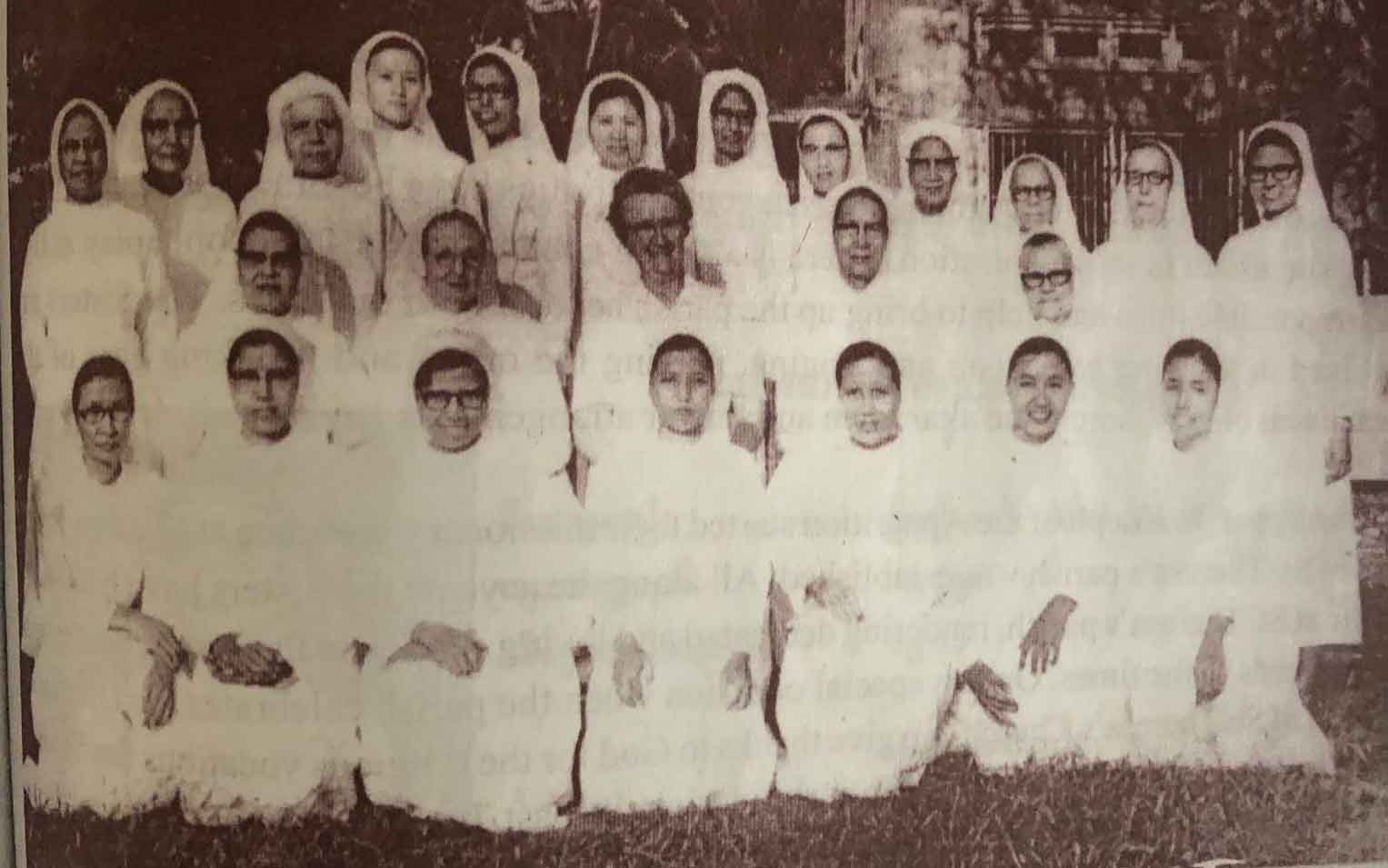
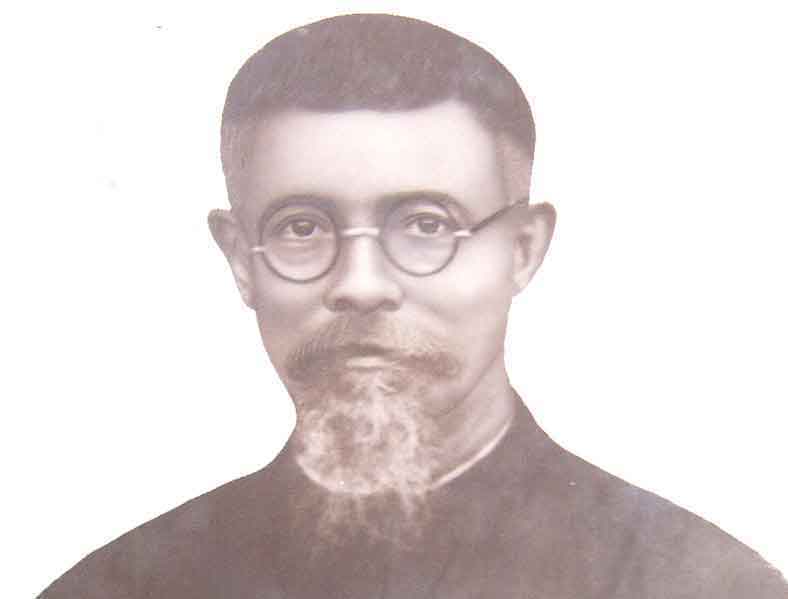
The Sisters of St. Joseph of the Apparition (SJA) started their missionary presence at St. Theresa’s parish in 1926 and the community was officially established in 1928, just a few months after the establishment of St. Theresa’s Catholic Church. St. Theresa’s or ‘Mission Road’, which is the name commonly used among the Sisters of St. Joseph, has been a sweet home and a treasured mission for many of the Sisters of St. Joseph of the Apparition over the past 93 years.
The Sisters of St. Joseph were invited by the parish priest Rev. Father Allard to take care of Chinese girls and women and to establish a school for the education of young people. Mother Marguerite Rocheteau was the first Superior of the Community. But, in 1928 Mother Marguerite became the Regional Superior and Mother Clotilde replaced her. Mother Clotilde, Sister Noemi, Sister Josephine and Sister Bridget were among the first members of the community at St. Emilie’s Convent, Mission Road. In 1932, Sister Noemi returned to England and to replace her. Sister Dorothy Kiely, the Irish Sister, well known and well loved by all at Mission Road, arrived to start her work of educating young people and above all to be a loving presence in the Chinese Mission.
The Sisters of St. Joseph initiated their mission at St. Theresa’s parish by establishing a school, an orphanage and a boarding department for both girls and boys. Later on, when the pupils became numerous, separate schools were provided – St. Emilie’s Convent and Catholic Anglo-Chinese School. Concerning the initial state of the mission, the following is an extract of Sister Dorothy’s April 1997 letter to the Sisters of St. Joseph, on the occasion of the 150th Anniversary of the SJA Sisters’ presence in Burma.
“The mission was very poor and the parish priest, Father Allard, would go out every month to the rice mills with his catechist to beg for rice, often in a sampan, and come home with bags of rice and other items. At least a third of the pupils were orphans and in addition to feeding we had to clothe them as well. Many of the other boarders were poor and only able to contribute very little towards their upkeep and education. We received from the parish priest 100 rupees a month – the equivalent of £10 which was to cover the needs of four Sisters. However, the cost of living in those days was far cheaper and I do not remember anyone suffering from hunger.
Wealthy parents also sent their children to the Mission School and paid for their education. It delighted me that they all got on so well together. There was no class distinction nor social friction. The pupils took a keen interest in sports and enjoyed competition with other schools. They also took their education extremely seriously and studied very hard. They were a joy to teach. Our school was The Catholic Anglo-Chinese School, but it was not restricted to Catholic. Indeed, I remember that the majority of the pupils were non-Catholic. Among the Catholic pupils, there were very committed groups of Y.C.S. and Legion of Mary and these groups continued to flourish among the pupils even when they progressed to University.”
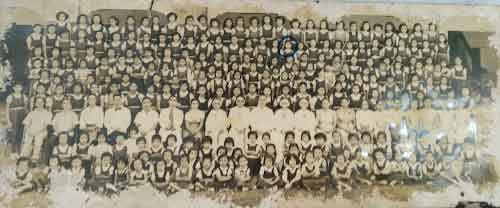
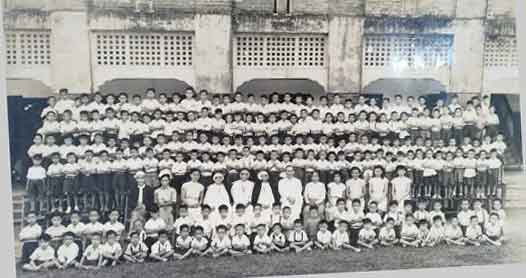
The school continued to flourish as described by Sister Dorothy till the nationalization of private schools in 1965. For sometime, the Sisters continued to occupy a part of the school building and continued their presence and work among the Catholics at St. Theresa’s parish. When the Europeans left Burma, Mother Theresa Sue, a Chinese sister whose brother was Father Rev. John Sue, became the Superior of the Community at Mission Road. Some time later, the Archbishop of Rangoon asked the Sisters to take charge of the Girl’s’ Hostel at Myenigone, left by the Good Shepherds Sisters.
At the request of the Archbishop, Mother Theresa and the Community left St. Emilie’s and went to live at the hostel in Myenigone. But the Sisters remained the parish Sisters of the St. Theresa’s. They continued to take care of the church, to teach catechism, to take part in parish youth movements, to prepare children for first communion and confirmation and adults for baptism and marriages, to take part in prayer meetings and in the activities of the Legion of Mary and to visit the families in the parish, especially the sick in hospitals or in their homes. Then, Rev. Father John Sue became the parish priest at St. Theresa’s and the two brother and sister were working hand in hand, leading the parish together. With the influence of the remnants of the old schools, the parish flourished and St. Theresa’s Youth became a model in the Archdiocese of Yangon.
The Good Shepherds returned to Burma and before they settled permanently, the hostel at Myenigone was established as the Bishops’ Conference Center and the Good Shepherds went to settle near their old St. John’s School. Mother Theresa and the Community returned to Mission Road. But, as there was “no room for them,” they took abode in a small hut behind the parish clergy house; Rev. Father John Sue raised funds to construct a Convent for the Sisters. Many of the past pupils of both Girls’ and Boys’ Schools, at home and abroad contributed generously towards the construction. Meantime, Mother Theresa Sue became the Provincial Superior of the Sisters and Sister Noella Tchin replaced her as superior of Mission Road Community. Sister Noella spent part of her childhood in Mission Road and she was at home and familiar with St. Theresa’s parish. She tendered devoted services for a number of years.
When the new Convent was ready, the Sisters left the hut and moved into the new building. The apostolate of the Sisters continued as usual. The Sisters took care of a few orphans, adopted by Rev. Father John Sue. One of the members of the community, who was well loved by old pupils and parishioners, was Cecilia Brown. The presence of Sister Cecilia at Mission Road was a sunshine for the community an the parish. By the time Sister Christopher Houng Yan replaced Sister Noella at Mission Road, many of the old parishioners had left the country and the parish at St. Theresa’s had become less active than it used to be. Rev. Father John Sue himself was becoming ill and feeble day by day. Thanks to the Youth’s organizer Peter Shin, who did his best to keep up the spirit of the parish. Finally, Father John Sue passed away and Peter Shin followed him a few years later.
After Sister Christopher, Sister Rosary Ohn Yin, Sister Assumpta Wong and Sister Celine Joseph took charge of the Community at Mission Road successively. During Sister Christopher’s time, girls from the districts, who were working in Yangon, asked to come and lodge at the Convent. As there was a lack of space, Sister Christopher tried to put a wooden floor, something like a loft between the ground floor and the first floor, and made room for the working girls. She also started a nursery school which flourished. The elderly Sisters of the province of Myanmar expressed their desire to live in a convent close to the church where they could take part in the celebration of the Eucharist everyday. The present Mission Road Convent being just ten steps away from the church, a few elderly Sisters chose to live in Mission Road. Although they can’t be active anymore, they pray for the parish and by their very presence are witnesses of long years of dedication in God’s service.
There is a parish council where lay people play active and responsible roles and help to bring up the parish according to the times. The Sisters are involved in teaching catechism and singing, playing the organ and in taking care of the cleanliness of the church, the altar linen and flower arrangements.
The Sisters of St. Joseph of the Apparition started their missionary presence at Mission Road before St. Theresa’s parish was established. All along these years the Sisters have been part of life at St. Theresa’s parish, rendering dedicated and loving service to the people according to needs of the times. Many pupils of St.Emilie’s Convent and Catholic Anglo-Chinese School hold living memories of their school days and of the teachers who taught them in school. For them, the parish priests, the Sisters of St. Joseph and the parishioners come together each time they reminisced their days at St. Theresa’s parish. Times have changed, situations and personal have been changed, but the Congregation of the Sisters of St. Joseph still remains to continue the good work that was begun more than 93 years ago, ever ready and available to render whatever possible service may be requested of them, to further the growth of the Church of Jesus Christ. In 2022, The Sisters of St. Joseph of the Apparition will celebrate the 175th anniversary its arrival in Burma.
The Sisters of St. Joseph of the Apparition is engaged in, among others, managing homes for orphans, vulnerable persons/children and internal displaced people, HIV/AIDS centers, hostels for poor, young working girls, and taking care of senior citizens in elderly homes.
The coronavirus pandemic is hitting Burma hard, making the Sisters’ job more than difficult and challenging than ever before. With so many poor people out of work due to factory closures, the Sisters are frequently called on to provide foods and other basic necessities to jobless couples with infant children.
Those WHAA alumni who are interested in making gifts to The Sisters of St. Joseph could email norakay@gmail.com for details.
School Photo Archive
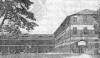

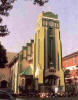
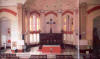
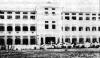
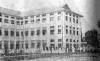
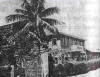
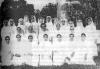
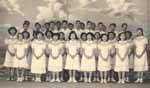
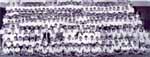
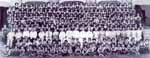
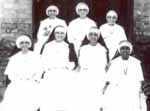
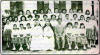
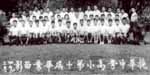
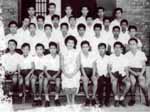
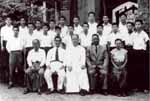
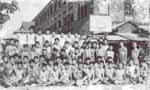
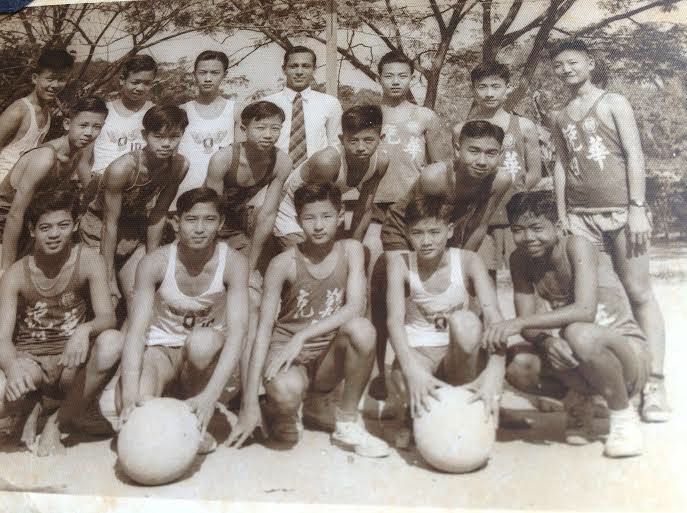
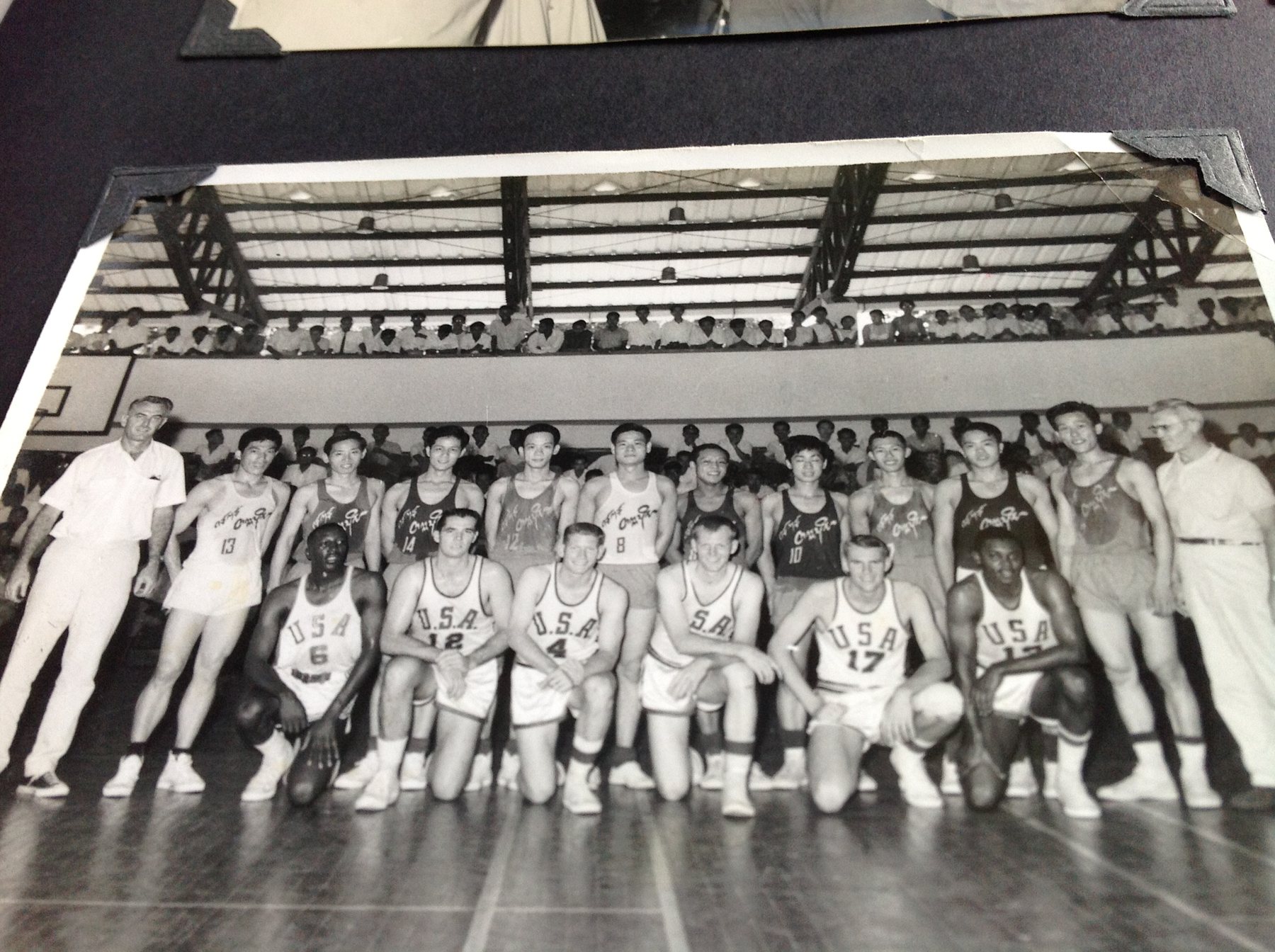
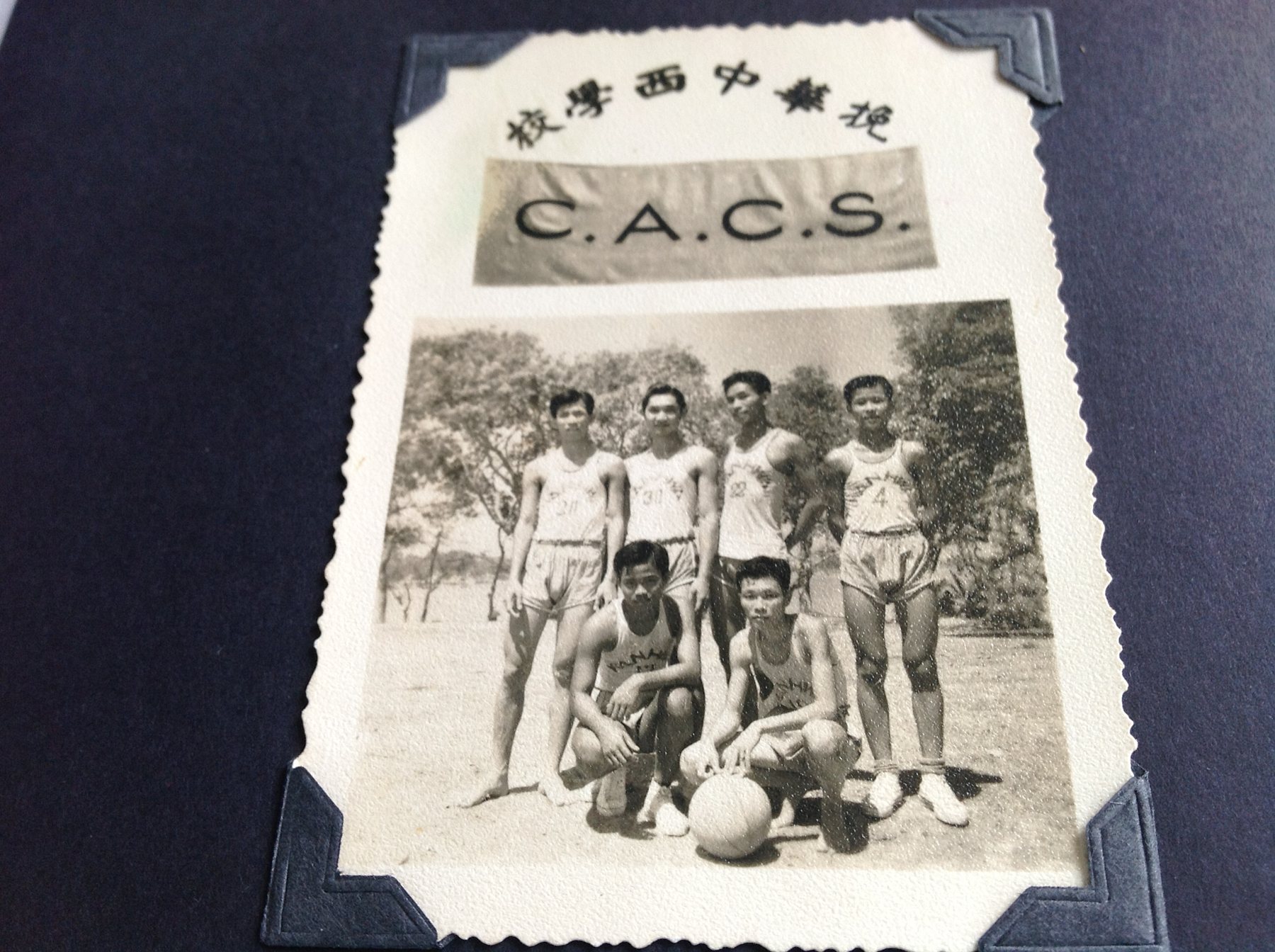
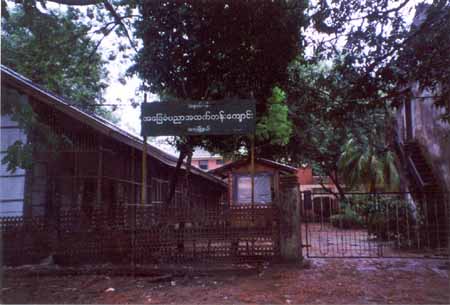
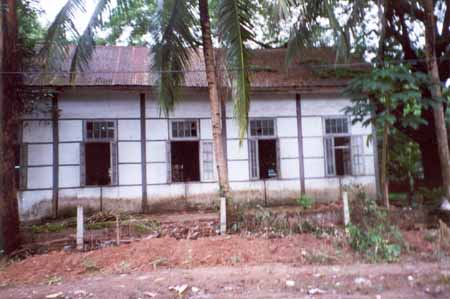
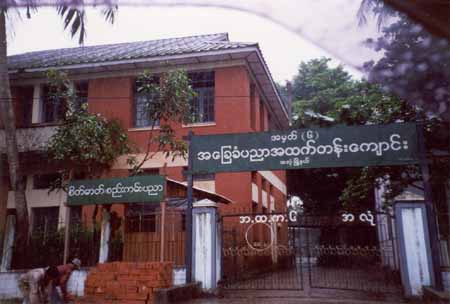
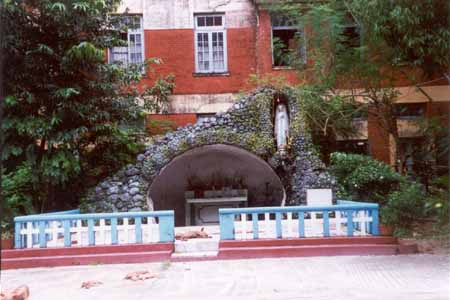
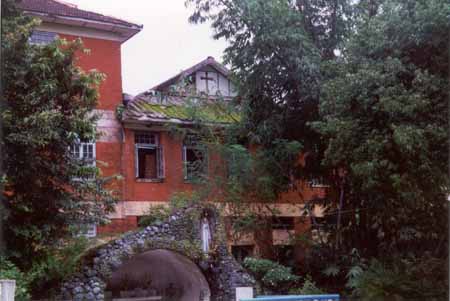
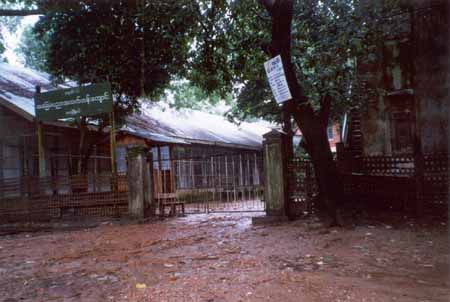
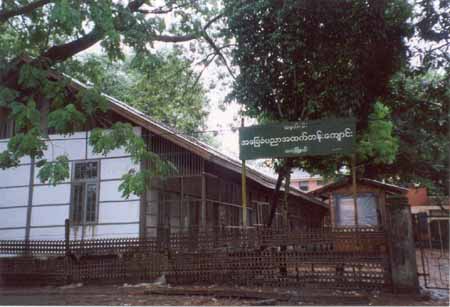
Remember These Places? — Wan Hua Once Stood Here Majestically!
If you have photographs of St. Emilie's Convent or those of its nuns, teachers, or students, please email webmaster.